Electric vehicles (EVs) have become a prominent symbol of the shift toward a more sustainable and environmentally-friendly future. With their zero-emission capabilities and innovative technologies, EVs have revolutionized the automotive industry and transformed how we think about transportation. But how did we get here? To truly appreciate the present state of electric vehicles, it is essential to explore their evolutionary journey and understand the milestones that have shaped their development.
This blog takes you on a captivating journey through the history of electric vehicles, from their humble beginnings to their current state of prominence.
Revival of Electric Vehicles
In recent years, electric vehicles (EVs) have experienced a remarkable revival, gaining significant traction and popularity worldwide. This resurgence can be attributed to various factors that have propelled electric mobility into the mainstream and reshaped the automotive industry.
A. Environmental concerns and the push for sustainable transportation:
Increasing awareness about the environmental impact of traditional fossil-fueled vehicles has fueled the demand for more sustainable transportation alternatives. The pressing need to reduce greenhouse gas emissions, combat air pollution, and mitigate the effects of climate change has compelled individuals, governments, and organizations to embrace electric vehicles as a cleaner and greener mobility solution. The shift towards electric mobility is driven by the desire to create a more sustainable and environmentally-friendly future.
B. Advancements in battery technology and range improvement:
One of the critical factors that hindered the widespread adoption of electric vehicles in the past was limited battery technology, resulting in range anxiety among potential buyers. However, significant advancements in battery technology have revolutionized the performance and range of electric vehicles. The development of high-capacity lithium-ion batteries, improved charging efficiency, and the emergence of solid-state battery technology has significantly extended the driving range of electric cars, alleviating concerns and enhancing their practicality for daily use.
C. Introduction of modern electric vehicle models:
The automotive industry has witnessed the introduction of a new generation of electric vehicle models that offer compelling features, stylish designs, and enhanced driving experiences. Major automakers have invested heavily in research and development, bringing to market a diverse range of electric vehicles to cater to different consumer preferences and needs. From compact city cars to luxury sedans and SUVs, the availability of an extensive lineup of electric vehicle models has expanded consumer choices and made electric mobility more accessible and appealing.
Technological Advancements
A. Introduction of hybrid electric vehicles:
The evolution of electric vehicles took a significant leap with the introduction of hybrid electric vehicles (HEVs). HEVs combine an internal combustion engine with an electric motor and battery, offering improved fuel efficiency and reduced emissions compared to conventional gasoline vehicles. Hybrid technology bridged the gap between traditional gasoline vehicles and fully electric vehicles, providing a transition option for consumers who were initially hesitant to embrace all-electric models. HEVs laid the foundation for the broader acceptance of electric mobility and paved the way for further advancements in electric vehicle technology.
B. Emergence of long-range electric vehicles:
One of the major concerns surrounding electric vehicles was their limited driving range. However, the emergence of long-range electric vehicles addressed this issue, making EVs more practical for everyday use and longer journeys. Breakthroughs in battery technology, such as higher energy density and improved efficiency, enabled the development of electric vehicles with significantly extended driving ranges. Manufacturers introduced models that can travel well over 200 miles on a single charge, offering comparable ranges to conventional gasoline vehicles. This milestone has played a crucial role in dispelling range anxiety and instilling confidence in potential electric vehicle buyers.
C. Development of fast-charging infrastructure:
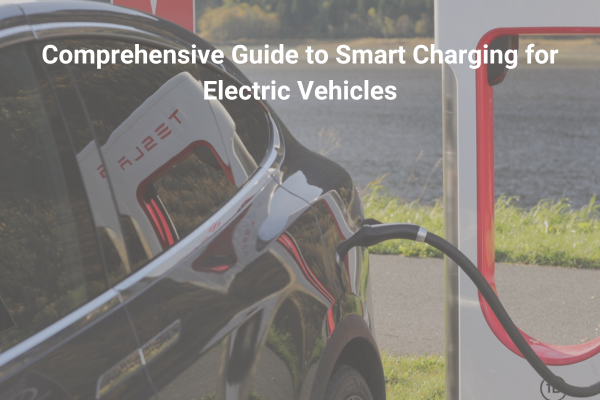
The expansion of fast-charging infrastructure has been a game-changer for electric vehicle adoption. Fast-charging stations allow EVs to recharge their batteries rapidly, significantly reducing charging time compared to traditional charging methods. The establishment of extensive networks of fast-charging stations along highways, in urban areas, and at popular destinations has alleviated concerns about long-distance travel and charging accessibility. This infrastructure development has made electric vehicles more convenient and practical, enabling drivers to recharge their vehicles quickly and efficiently during their journeys.
Government Support and Incentives
In recent years, governments around the world have implemented policies to promote the adoption of electric vehicles. Incentives such as tax credits, rebates, and exemptions from certain fees have made electric vehicles more affordable for consumers. These incentives, combined with the environmental benefits of electric vehicles, have encouraged many drivers to make the switch from traditional gasoline-powered cars.
In addition to incentives, government regulations, and emission standards have played a significant role in promoting electric vehicles. Many countries have set targets for reducing greenhouse gas emissions, and transportation is a major contributor to these emissions. As a result, governments have implemented stricter emission standards for vehicles, which has led to the development of more efficient and environmentally friendly cars, including electric vehicles.
Several countries have also set targets for phasing out gasoline-powered cars and transitioning to electric vehicles. For example, Norway plans to ban the sale of new gasoline and diesel cars by 2025, while the UK has set a target of 2030. These targets, along with the implementation of low-emission zones in many cities, are expected to accelerate the adoption of electric vehicles in the coming years.
Furthermore, governments have invested in the development of charging infrastructure to support the growth of electric vehicles. Many countries have implemented public charging stations in cities, on highways, and at shopping centers, making it more convenient for drivers to charge their vehicles. This has helped alleviate concerns about range anxiety, which is one of the main reasons why some drivers are hesitant to switch to electric vehicles.
Conclusions:
As we look back at the evolution of electric vehicles, it is clear that government support and incentives have been instrumental in driving their adoption. From financial incentives to emission regulations, governments have created a favorable environment for electric vehicles to thrive. As a result, we have seen significant advancements in technology, improvements in range, and the development of a robust charging infrastructure.
For those considering the switch to electric vehicles, now is a great time to take the leap. With government incentives still in place and a growing network of charging stations, the barriers to entry have never been lower. Not only will you be contributing to a cleaner and more sustainable future, but you will also enjoy the benefits of lower operating costs and a smoother, quieter driving experience.
If you're ready to make the switch, it's important to research and find the right electric vehicle for your needs. Look for models with a range and features that align with your lifestyle.